Scientists Identify Brain Cells That Regulate Sleep Pressure and Wakefulness
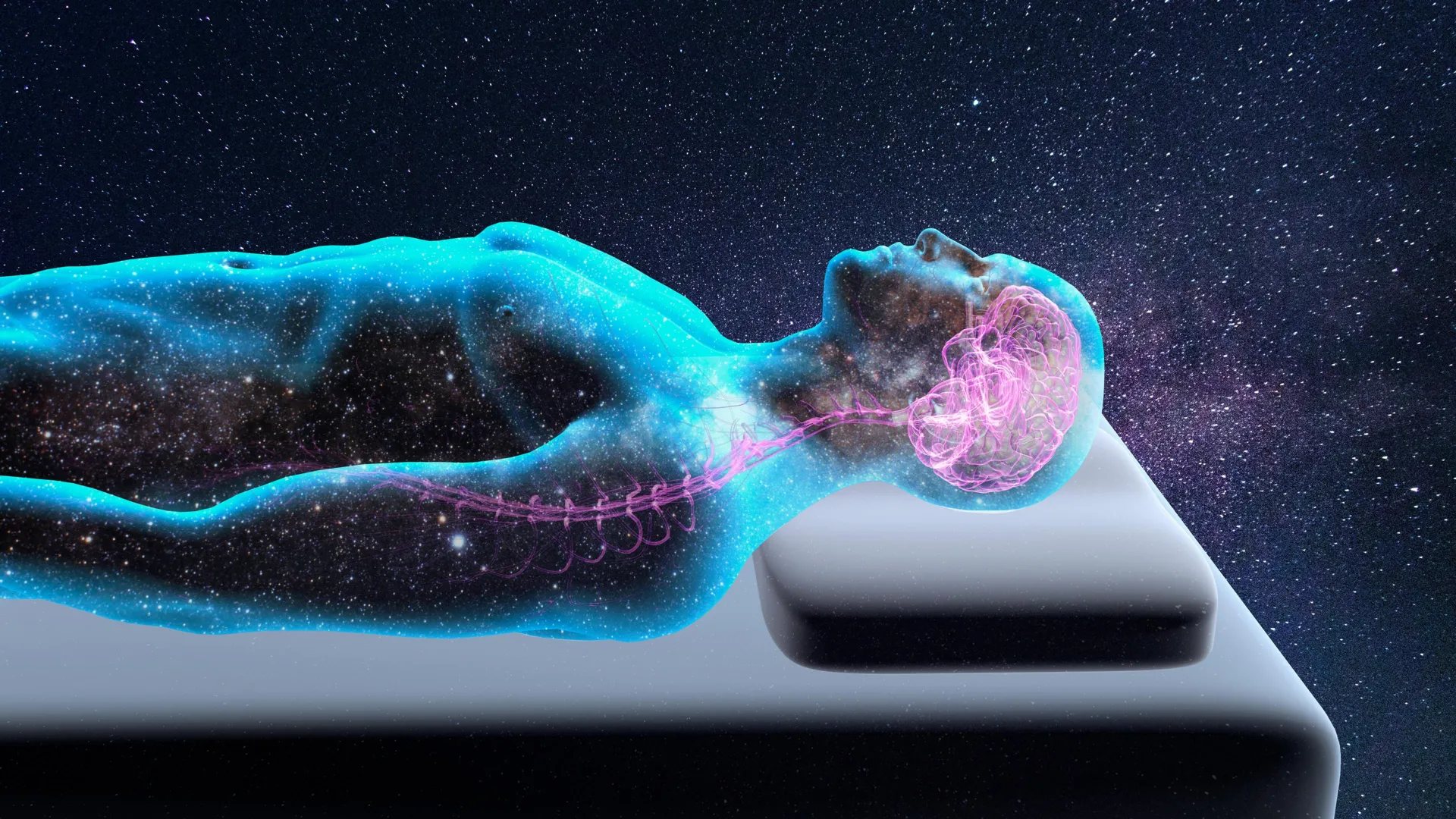
Researchers at the University of Basel have identified two groups of neurons in the brainstem—GABAergic and serotonergic—that actively generate the urge to sleep. In a study involving mice, scientists found that these cells become more active the longer an animal stays awake. When these specific neurons were inhibited, the mice slept <b>70% less</b> than normal. Surprisingly, many of these mice did not show the typical behavioral impairments associated with sleep deprivation. This discovery provides a critical understanding of how the brain regulates sleep drive and could eventually lead to new treatments for sleep disorders and improved resilience to exhaustion.
This page is a shareable card. Download our app to get the full swipe experience!