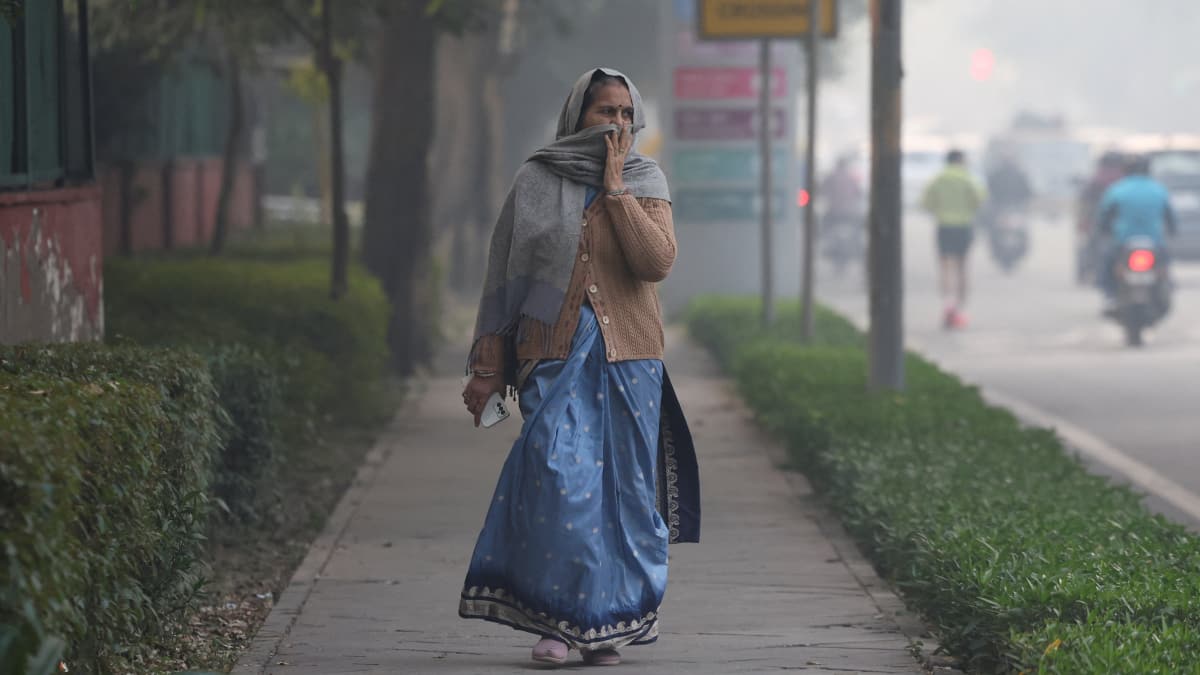
New Research Links Western Disturbances to North India Pollution Levels
Recent research indicates that western disturbances could help predict winter pollution severity across northern India months in advance. A study published in <b>Science Advances</b> found that precipitation from strong western disturbances accounted for 74 percent of year-to-year variation in winter <b>PM2.5</b> levels. Researchers analyzed 177 western disturbances between 2015 and 2024, discovering that strong, wet systems reduced average PM2.5 concentrations by about 30 percent. Conversely, winters with below-average precipitation recorded roughly 20 percent higher PM2.5 concentrations due to stagnant conditions and weak winds trapping surface pollutants.
By News Desk • 11/24/2026
Read FullThis page is a shareable card. Download our app to get the full swipe experience!